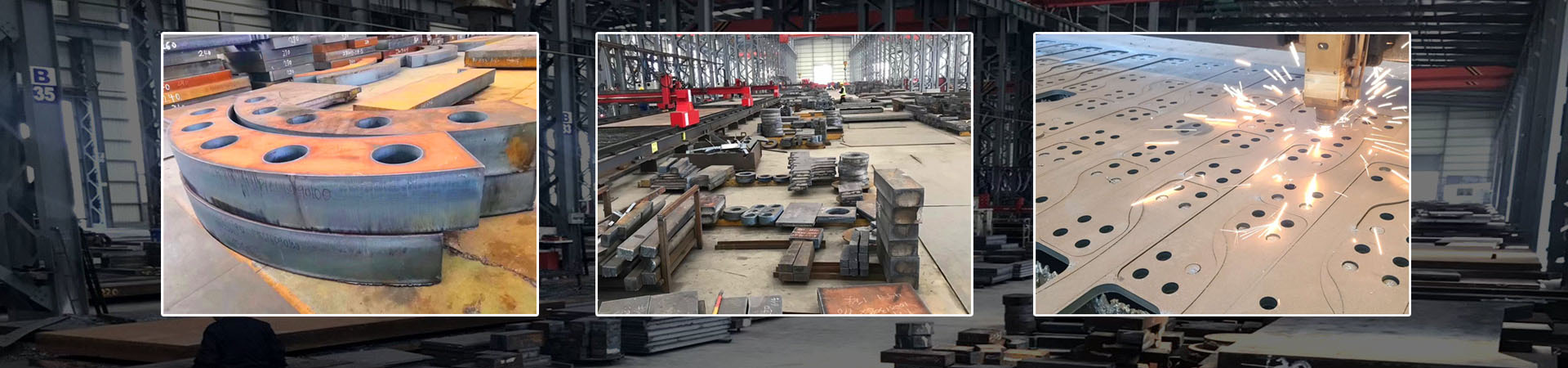
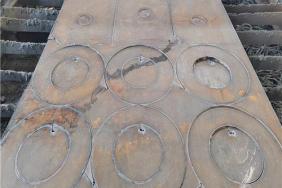
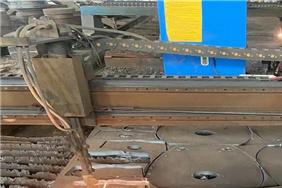
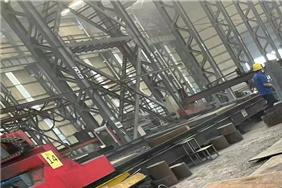
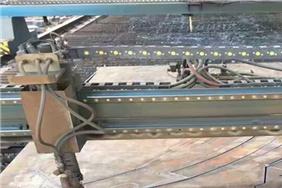
| Delayed cracks along cutting edges |
Insufficient preheating, rapid cooling, low oxygen purity |
Raise preheating temperature, apply insulated slow cooling after cutting, replace high-purity oxygen |
| Layered cutting surfaces & lamellar tearing |
Excessive local temperature difference, insufficient Z-direction performance |
Uniform full-area preheating, adopt Z15/Z35 graded steel plates, lower cutting travel speed |
| Melt collapse of top edge & overly wide cutting gap |
Excessively strong preheating flame, slow cutting speed |
Adjust to standard neutral flame, increase travel speed |
| Severe bottom slag adhesion & incomplete cutting |
Insufficient oxygen pressure, undersized cutting nozzle, slag blockage under plate |
Use one size larger cutting nozzle, increase cutting oxygen pressure, reserve sufficient gap under cutting table for slag discharge |
| Hardened cutting edges & welding cracks |
Unremoved hardened heat-affected zones, fast cooling rate |
Apply post-heat hydrogen elimination, grind off 2 mm hardened layers before welding |
| Overall plate warping deformation |
Excessively long single cutting segment, no connecting bridges |
Segmented cutting with connecting bridges to reduce single heat input, uniform bottom support layout |