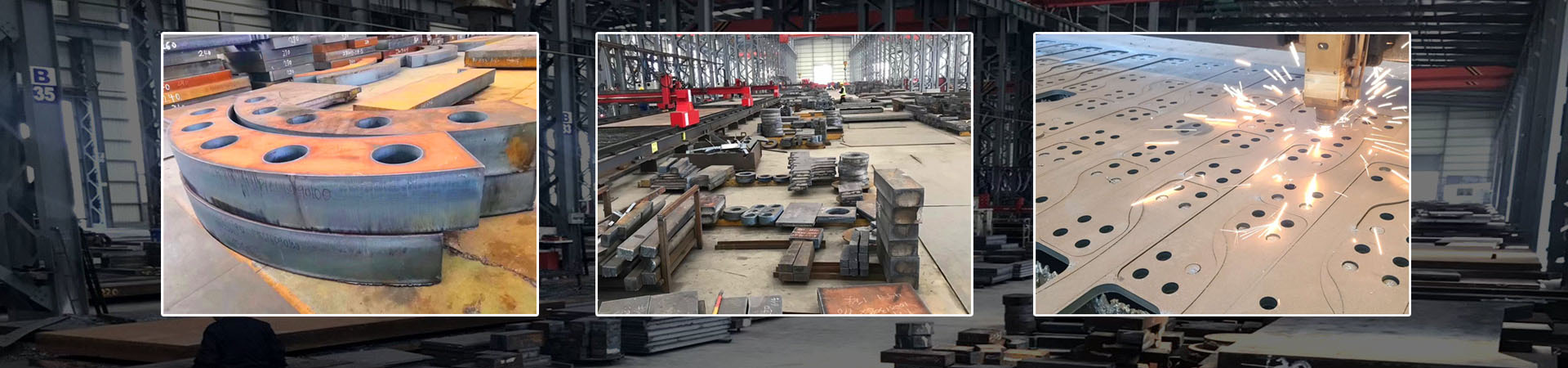
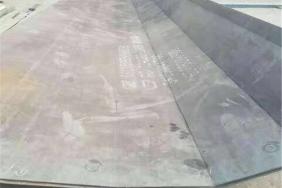
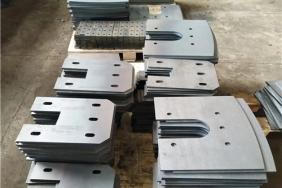
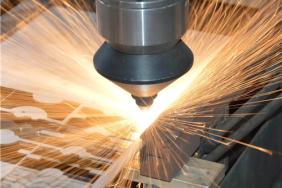
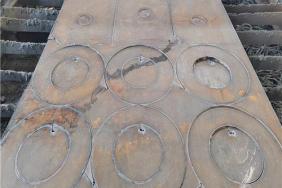
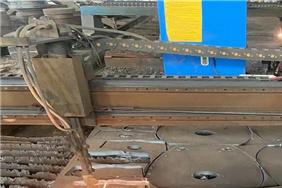
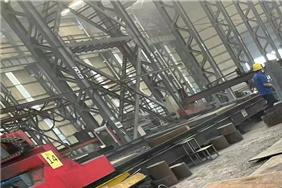
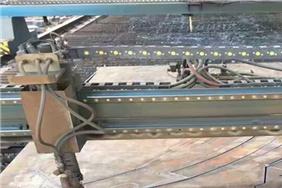
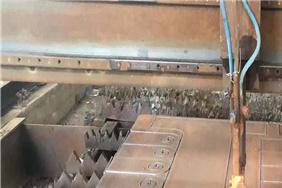
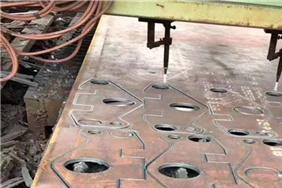
NM400 is a quenched and tempered wear-resistant steel specified in GB/T24186, with a hardness range of 360~420HB. It balances excellent wear resistance and toughness. Its cutting processes fall into two major categories: thermal cutting (plasma / laser / flame cutting) and cold cutting (waterjet / saw cutting). Different processes match different plate thicknesses and precision requirements. This material is widely used for components subjected to sand, ore and coal powder erosion & impact wear.
1. Main Cutting Processes for NM400 (Advantages, Disadvantages, Application Scenarios & Process Key Points)
1.1 Thermal Cutting (Most Widely Used for Mass Industrial Production)
1.1.1 Plasma Cutting – Top Choice with High Cost Performance
- Applicable thickness: 1~50mm, suitable for thin & medium-thick plates
- Advantages: Fast cutting speed, narrow heat-affected zone (HAZ), capable of cutting complex special shapes, holes and arcs; no preheating required for thin plates
- Disadvantages: Slight taper on cuts of thick plates, minor slag adhesion at cutting edges, medium dimensional accuracy
- Process key points: Air plasma is preferred; start cutting from the wear-resistant surface. Preheat plates ≥30mm thick to 100~150°C to prevent delayed cold cracks.
- Typical applications: Mass blanking of mine liner plates, dump truck cargo boxes and conveyor baffles
1.1.2 Fiber Laser Cutting – High-precision Finish Machining
- Applicable thickness: ≤20mm thin plates
- Advantages: Extremely narrow HAZ, dimensional tolerance ±0.15mm, smooth burr-free cuts; ideal for precise small holes and complex contours
- Disadvantages: High equipment investment, not available for thick plates
- Process key points: Nitrogen auxiliary cutting to reduce oxidation layers; laser blanking is recommended for bending parts to avoid edge stress cracking
- Typical applications: Precision cutting edges for construction machinery, small wear-resistant fittings, screen plates and flanges
1.1.3 Flame Cutting (Oxygen-Acetylene) – Low-cost Solution for Extra-thick Plates
- Applicable thickness: ≥6mm, optimal for 40~100mm ultra-thick wear-resistant plates
- Advantages: Low equipment cost, capable of cutting extra-thick plates, low consumable cost
- Disadvantages: Wide HAZ, reduced hardness at cutting edges, high risk of delayed cracks; severe deformation on thin plates
- Mandatory process specifications: Preheat all thicknesses to 100~150°C before cutting (compulsory for plates over 30mm); reduce cutting speed, slowly insulate and cool down after cutting; immediate water cooling or rapid outdoor cooling is strictly forbidden
- Typical applications: Rough blanking for ultra-thick chutes and large crusher guard plates
1.2 Cold Cutting (No Thermal Damage, Original Hardness Preserved)
1.2.1 Waterjet Cutting
- Applicable thickness: 4~100mm full thickness range
- Advantages: Zero thermal effect, unchanged base metal hardness, zero cracking risk; compatible with cutting wear-resistant plates and composite plates simultaneously
- Disadvantages: Slow cutting speed, high abrasive consumption and high processing cost
- Typical applications: Critical wear parts requiring intact wear resistance without subsequent heat treatment
1.2.2 Abrasive Saw / Band Saw Cutting
- Applicable scenario: Straight strip blanking only, unlimited plate thickness
- Advantages: Smooth cutting surfaces without thermal deformation
- Disadvantages: Only straight-line cutting available; incapable of arc cutting or hole drilling, low efficiency
- Typical applications: Standard straight wear-resistant liner plates and profile stock preparation
2. General Critical Anti-cracking Precautions for Cutting
- NM400 is quenched & tempered hardened steel, prone to delayed cracks which may occur hours or even days after cutting; cracking risk rises sharply for thick plates.
- Core anti-cracking measures for thermal cutting: Preheating + low cutting speed + slow cooling after cutting.
- If bending is required for cutting edges, grind and chamfer to remove hardened HAZ layers to prevent fracture during bending.
- Never cool cut pieces with water immediately or expose them to sudden outdoor temperature drop.
3. Main Application Industries & Typical Components of NM400 Wear-resistant Plates
3.1 Construction Machinery (Largest Application Field)
Excavator bucket base plates, side cutting edges, bucket tooth backing plates; loader cutting edges & corner blades; bulldozer blades, grader cutting edges; base & side plates of muck trucks / dump trucks; lining plates, blades and discharge chutes of concrete mixing stations
3.2 Mining Machinery
Jaw crusher liner plates, impact plates, guard plates; vibrating screen plates, inner liners of mine chutes; wear-resistant baffles of feeders, mine truck cargo boxes and transfer machine base plates
3.3 Coal & Thermal Power Energy Industry
Liner plates of middle troughs for coal mine scraper conveyors, transfer chutes; cylinder liners of coal mills in thermal power plants, coal powder pipelines, dust removal flues, fan blades and silo wear-resistant inner linings
3.4 Cement, Building Materials & Metallurgy Industry
Raw meal / clinker chutes of cement plants, inner liners of cyclone dust collectors; sintering trolley side plates, coke transfer chutes and wear-resistant casings of slurry pumps
3.5 Port, Sanitation & Agricultural Machinery
Bulk cargo hoppers and conveyor liner plates for ports; garbage transfer truck cargo boxes and shredder liner plates for sanitation equipment; agricultural harvester augers, plowshares and conveyor chain plates
4. Material Selection Summary
NM400 features superior toughness compared with NM450 / NM500, resisting fracture under combined impact and abrasion conditions, suitable for medium working conditions with both impact and wear.
- NM500 is selected for heavy pure abrasive wear scenarios
- Laser cutting for thin & precise parts
- Plasma cutting for mass blanking of medium-thick plates
- Waterjet cutting for high-precision critical wear-resistant components without thermal influence